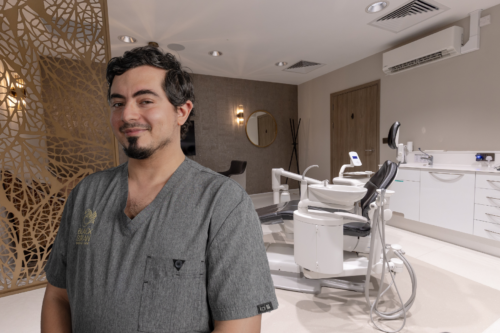
Once you’ve established that, you’ll realise there are a few career paths to consider. One option is to join an established private practice as an associate. This offers clinical experience without the added responsibility of running a business. Alternatively, becoming a specialist, perhaps in areas like implants or cosmetic dentistry, can lead to a fulfilling career with a more niche focus.
Corporate dentistry is a solid choice if you want a stable job with career progression, as it allows you to work within a private group with less risk than running your own practice. Starting your own practice could be your ultimate goal if you crave independence and a direct influence on the practice’s success.
Refining your skill set for private dentistry
Moving into private practice is about more than just choosing a job. It’s about refining your skill set. In private dentistry, you’ll need to go beyond the basics. You may need to upgrade your clinical skills, particularly in cosmetic dentistry, implant dentistry, or less invasive procedures.
Communication is another area where you’ll have to improve. Patients paying privately expect more than just treatment; they want to understand their options and trust you. Effective patient communication is linked to higher satisfaction rates. In one study, 80% of patients stated that clear communication was a key factor in their decision to return to a practice (Ho et al, 2024). It is associated with better treatment outcomes, increased patient satisfaction and reduced complaints. Studies indicate that positive communication skills among dental professionals can enhance patient trust and treatment plan adherence.
Mentorship is also essential. As you adjust to private practice, having an experienced mentor to guide you can make a huge difference. A mentor can show you how to secure a position in a respected private practice, offer advice on patient management, and give you tips on handling business.
Building patient trust and maintaining relationships
Trust is the foundation of success in private dentistry. When patients choose to invest in private care, they’re not just paying for treatment – they’re paying for peace of mind, expertise, and lasting results.
 Building this trust starts with genuine communication. Take time to listen, explain treatment options clearly, and address concerns thoughtfully. Your patients need to feel confident that their treatment plan isn’t just a quick fix but a path to lasting oral health.
While it might be tempting to pack your schedule with as many appointments as possible, investing time in patient relationships pays off in the long run. Quality care that feels personal and unhurried builds the loyalty that keeps patients returning and recommending you to others.
Modern technology strengthens these relationships further. AI-powered diagnostics and convenient online consultations show patients you’re committed to providing the most advanced, precise care. But remember: technology should enhance the human connection, not replace it.
Financial considerations
Money is an important consideration when making the transition. Private dentistry doesn’t continuously operate on the same pay system as the NHS. You’ll likely face a fee-per-item or capitation system, so adjust your financial plans. While the earning potential in private practice can be much higher, it depends on your ability to attract and retain patients.
You’ll also need to consider the financial commitment involved in upgrading equipment and undergoing additional training to meet the high expectations of private patients.
Promote yourself
 Marketing yourself is another part of the private dentistry puzzle. Unlike NHS dentistry, you can’t wait or expect patients to just walk through the door. You’ll need to promote yourself actively.
Establishing a professional online presence is a good start. Social media and a strong website can help you connect with potential patients. Word of mouth is also vital, so encourage satisfied patients to leave reviews to boost you and your level of care. Networking with other professionals in the dental and healthcare fields can also help generate referrals.
Navigating the transition smoothly
Once you’ve developed the right skills, financial plan and mentorship support, you can confidently transition into private practice. Whichever career path you choose, prioritising patient experience, continuous learning, and effective practice management will set you up for long-term success.
Transitioning from NHS to private dentistry is rewarding, but success requires preparation and support. The Private Dental Mentor (PDM) programme equips young dentists and associates with the mentorship, training and business knowledge needed to excel in private practice right from the start.